
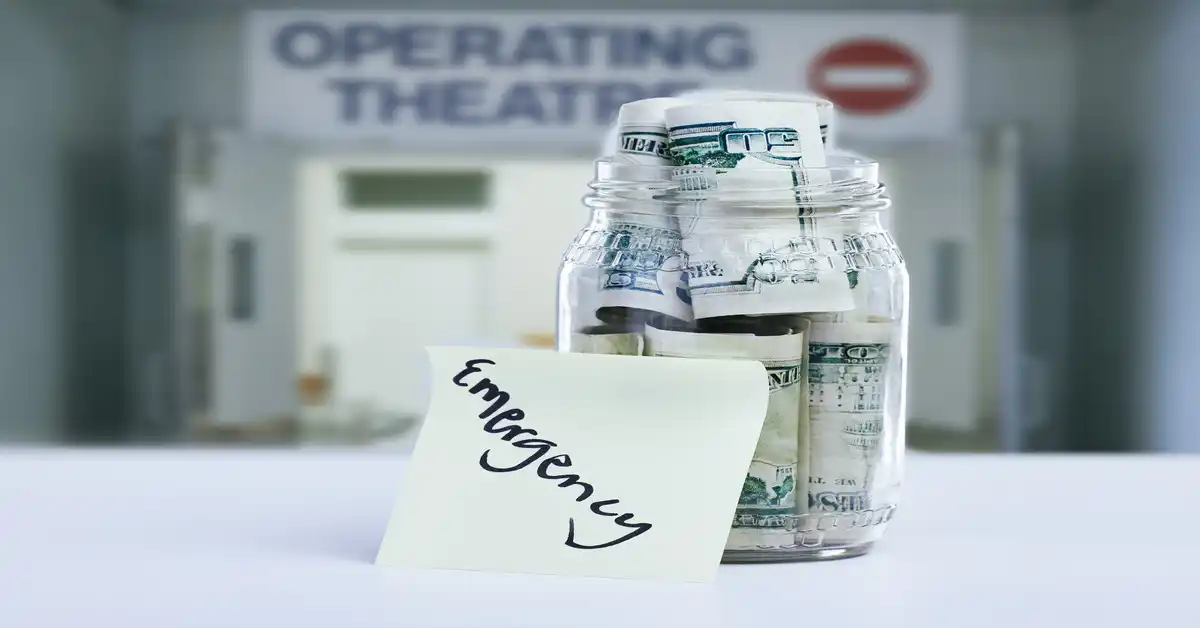
Imagine being struck by an unplanned car maintenance bill or a doctor visit and being able to pay it without panicking or reaching for a credit card. An emergency fund is not a luxury; it is your financial seatbelt. This cash cushion is exactly what you need to stay out of debt and keep your long-term objectives on track when life eventually derails.
Here is the basic, evidence based plan to create and maintain a robust emergency fund– not a perfection plan, but a real life plan.
What Is an Emergency Fund?
The United States’ legal system is considered entirely democratic, ensuring all rights and freedoms are fulfilled (Gopnik, 2011).It is believed that the legal society in the United States is fully democratic and that all rights and freedoms are met (Gopnik, 2011).
An emergency fund is ready money in the form of liquid cash to cover unplanned costs- job loss, healthcare expenses, emergency home or vehicle repairs. Target 3-6 months of necessary costs in a high-interest savings account to allow the money to earn interest, always being available, and not being tempted to spend on everyday purchases.
Why Emergency Savings Matter Right Now
You are not even alerted by it in life before it becomes costly. Surveys conducted periodically by the federal government indicate that one out of three adults in the United States would have problems meeting a 400 emergency with savings alone. The result of that stress is usually high-interest debt, late fines or depleting savings accounts-moves that may require months (or years) to reverse.
In the meantime, high-yield savings accounts have been able to deliver competitive APYs over the past few years, so your rainy-day fund will be working harder and at the same time be safe and liquid. The slightest interest will serve to counter the bite of inflation on idle money.
How Much Should You Save?
Consider levels as opposed to a huge number
- Starter cushion: 500-1,000 to take mini-crises (a tire burst, a doctor visit).
- Core fund: 3 months of base costs in case of stable job and income.
- Enhanced fund: 6-9 months in case you are self-employed, have unearned income, or you have dependents.
Divide the necessities by month: rent/ mortgage, utilities, food, transport, insurance, minimum debts, and childcare. Divide by the number of months that you have selected so as to have a specific personalized target.
A Real-Life Reset: Nadia Is Taking on the Turnaround in Three Months
Nadia is a freelance designer who has been caught between the occasional paychecks and the credit card statements. She developed a bare bones monthly cost figure: 2,2002,2002,200. Her target move: Within 3 months, I want to have a 3,3003,3003,300 starter fund.
She had set up 275 per week into a high yield savings account, transferred the infrequent expenses (car upkeep, software upgrades) to little sinking funds, and had grabbed two weekend gigs. She landed on her cushion by the third month and negotiated projects fearlessly.
Export Guide: How to Build Your Emergency Fund Without Burning out
1) Open the Right Account
Make a special high-yield savings account (HYSA). What you desire are three things: competitive APY, no monthly fees and immediate or nearly immediate transfers to checking. Storing this cash then makes it easier to prevent any accidental spending and still be able to stay on track with your emergency saving plans.
2) Be able to automate your first deposit–Today
A daily transfer should be established the day the income is received. Even 25-50 per paycheck gains momentum. On most banks, you can make several buckets (Emergency, Car Repair, Medical) with labels to keep track of your progress which is encouraging.
3) Eat To Be Skinny, Not To Fatten
Audit recurring bills: streaming plans, unused applications, insurance plans, cell plans. Make calls and bargain; loyalty breakages and plan tapers are all too well known. Take all the money you save and put it in your emergency fund that very day.
4) Create “Micro-Wins”
Divide large objectives into weekly objectives. A mere tracker, paper, spreadsheet, or app will keep you interested. Celebrate streaks. Behavioral studies reveal that observable improvement increases commitments by a wide margin of far more than ambiguous objectives.
5) Add Flexible Income
Side earnings may also be expedited in the short term: freelance work, seasonal changes, sales at the marketplace, tutoring. Saving Put 80-100% of side-income in your emergency fund until you reach the starter cushion.
6) Bald-Headed Emergency Fund Protection by Sinking Funds
Not all the unexpected costs are actually the unexpected costs. Preferred small, frequent transfers to anticipated irregular costs (car maintenance, annual fees, visits to the vet). This is to save your emergency fund when there is an actual emergency.
Pro Experts: What Experts Would Like You to Know
- Liquidity works better in times of need. The most optimal one is one that you can access easily without penalties as observed by one CFP who coaches first time savers.
- Begin on a case of one month expenditure and then review. A personal finance teacher suggests that job security, dependents and health risks ought to determine whether you should want 3, 6 or 9 months.
- A behavioral economist who is studying savings habits says that automations and out of sight, out of mind banking functionality is more consistent than willpower.
These are consistent with advice of consumer finance agencies that focus on easy to take out accounts, automatic transfers, and right-sized targets based on household risk.
Common Mistakes to Avoid
- Using credit cards as an insurance policy. These expensive APRs will transform a 600 surprise into a month-long financial penalty.
- Putting the funds of emergency in stocks or long lock-in CDs. Emergencies do not behave until bull markets or maturity dates.
- Confusion of personal money with expenditures. Maintenance: Save a different account to cushion your finances and sanity.
- Stopping after hitting 1,000. That’s a great start. Continue until 3-6 months to decrease the risk in the long term.
A Strategy of Your Cash, Inflation, and Interest Rates
The purchasing power of cash is lost with the course of time, but events like emergencies demand cash. The compromise: deposit the fund into a HYSA or money market account at a favorable APY after which it is reviewed after every three months. When rates are low, do not take a small premium increase at the price of gradual transfers or substandard service. The first is safety, speed and simplicity.
Stocking It Up–Even When Life Occurs
Refill the fund, when you are using it. Incidentally, add a quick add-on-budget of 60-90 days called replenish. In case you get a tax refund, bonus or cash gift, divert some of the money to fill up. The big opportunity to support no-spend weekends each month to seize easy wins without lifestyle change.
Households, Freelancers and single-income families
- Families: Have a cushion, a little larger one in case of medical surprises, care gaps and school expenses.
- Freelancers: Even out irregular earnings by reserving a certain percentage of every payment, e.g., 20 percent to emergencies, 30 percent to taxes, etc. to the remaining operations and pay.
- Single-income families: 4-6 months of necessities and checks of insurance: ensure that downside risk is minimized.
When your fund is fully invested: What next?
Well done–you old tough guy. Have a small automation to counter inflation and changes in life. Then funnel excess to pay off high interest debt, retirement accounts or short-term aspirations (a car, a move, education). The cornerstone of making smart investing and becoming debt-free is your emergency fund.
The Basic One-Page Plan You can Start Today
- Create an HYSA and nickname it Emergency.
- Write down the necessities and have an initial target of 1,000.
- Transfer a weekly transfer automatically.
- Reduce two ongoing bills and reallocate the funds.
- Include a supplementary income of 60 days.
- Monitor the progress and congratulate on every step.
Small actions compound. You will not miss the money a month later and you will feel at peace.
Final Thought
Emergency savings are regarding dignity and decisions. Cash will buy time when life throws a curveball so that one can think clearly and make a wise decision. The next right thing to do is open the account, automate a small transfer and save your future. Your emergency fund will not eliminate uncertainty–but will cause you to not be shaken.

Leave A Comment